
Beyond Traffic: Maximizing E-commerce Sales with Smart Analytics and Reporting
Moving beyond simple traffic numbers, e-commerce success hinges on deep analytics and AI-supported reporting. Learn how to transform data into actionable insights to optimize sales, understand customer behavior, and boos
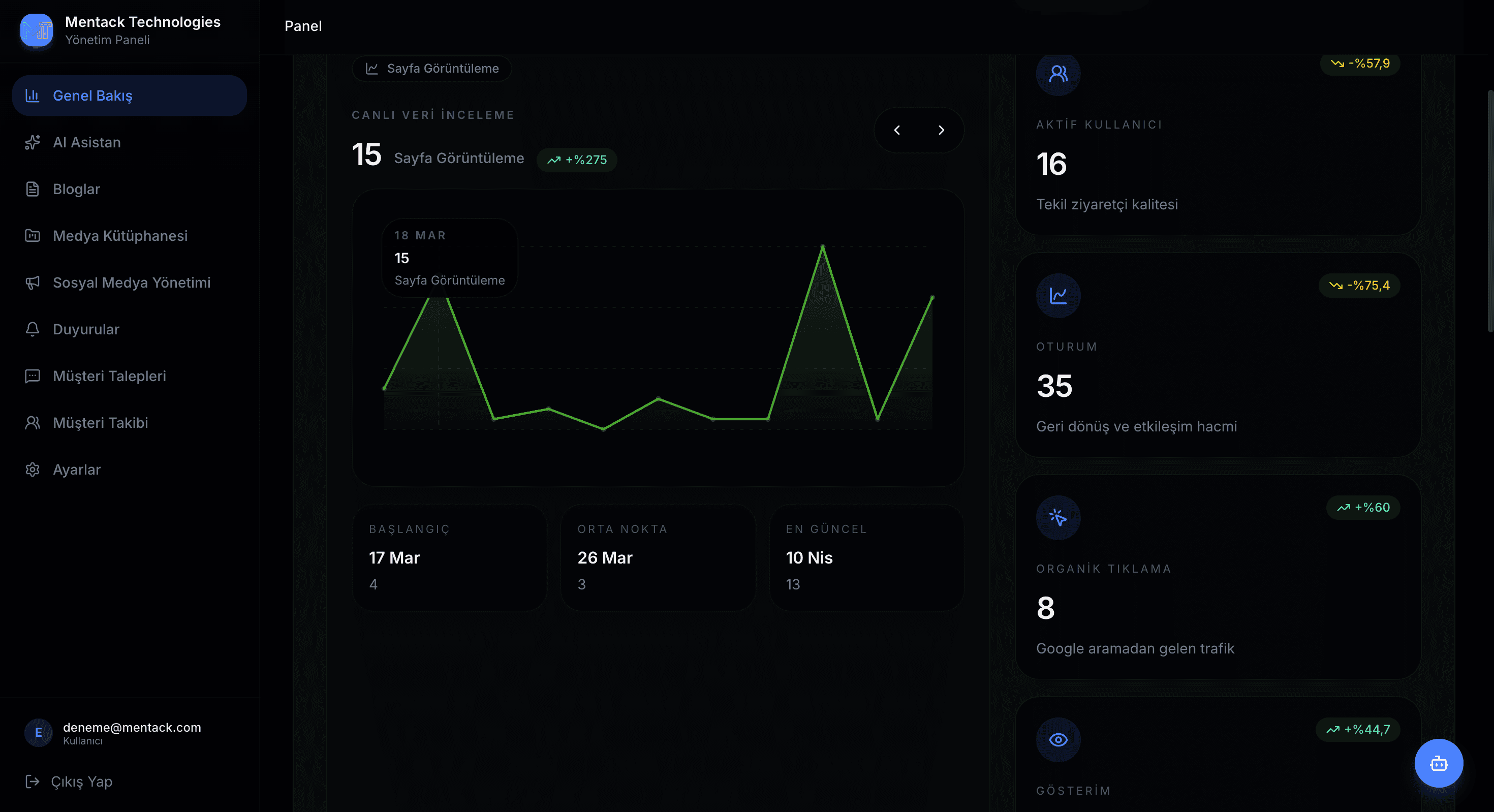
Many e-commerce businesses focus intensely on driving traffic to their websites, believing that more visitors automatically translate to more sales. While traffic is essential, true growth comes from understanding what those visitors do once they arrive and how to convert them effectively. This article explores how smart analytics and AI-supported reporting can move your e-commerce strategy beyond just traffic, turning raw data into actionable insights for maximized sales.
Why Does It Matter?
Ignoring detailed analytics means operating in the dark. Without understanding customer behavior, conversion funnels, and performance metrics beyond basic visitor counts, businesses face several critical challenges:
- Lost Revenue Opportunities: You might be attracting thousands of visitors, but if only a tiny fraction converts, you're missing out on potential sales and return on investment.
- Inefficient Marketing Spend: Without knowing which channels drive valuable customers and which products perform best, marketing budgets can be wasted on ineffective campaigns.
- Poor Customer Experience: Not understanding customer pain points or preferences prevents you from optimizing your website, product offerings, or checkout process, leading to higher abandonment rates.
- Slow Decision-Making: Relying on gut feelings instead of data-driven insights can lead to delayed reactions to market changes or missed trends, putting your business at a disadvantage.
Key Points
1. Understanding Your Data Beyond Traffic
Shift your focus from vanity metrics like page views to more impactful e-commerce analysis metrics:
- Conversion Rate: The percentage of visitors who complete a desired action, like making a purchase. This is a direct measure of your site's effectiveness.
- Average Order Value (AOV): The average amount spent per customer order. Increasing AOV can significantly boost revenue without needing more traffic.
- Bounce Rate & Exit Pages: Identifying where users leave your site can highlight design flaws, confusing content, or technical issues that hinder the customer journey.
- Customer Lifetime Value (CLTV): Understanding the total revenue a customer is expected to generate over their lifetime. This informs retention strategies.
2. Identifying Customer Behavior Patterns
Deep dive into how customers interact with your store to uncover valuable insights:
- Segmentation: Group customers by demographics, purchase history, or behavior to tailor marketing messages and product recommendations.
- Purchase Funnel Analysis: Map the steps customers take from browsing to checkout. Pinpoint where they drop off and why.
- Product Performance: Analyze which products are most viewed, added to cart, and purchased. Identify best-sellers and underperformers to optimize inventory and merchandising.
- Cross-Selling and Upselling Opportunities: Discover products frequently purchased together or explore opportunities to offer higher-value alternatives.
3. Leveraging AI for Predictive Insights
AI isn't just a buzzword; it's a powerful tool for e-commerce analysis:
- Sales Forecasting: AI can analyze historical data to predict future sales trends, helping with inventory management and campaign planning.
- Personalized Recommendations: AI-powered engines can suggest products to individual customers based on their browsing and purchase history, increasing AOV and conversion rates.
- Anomaly Detection: AI can flag unusual spikes or drops in data, alerting you to potential issues or opportunities faster than manual review.
- Dynamic Pricing: In some models, AI can adjust product prices in real-time based on demand, competitor pricing, and inventory levels.
4. Setting Up Actionable Reports
Data is only useful if it's presented in an understandable and actionable format. Create dashboards that provide clear insights without overwhelming your team:
- Key Performance Indicators (KPIs): Define the most critical metrics for your business and track them consistently.
- Visualizations: Use charts and graphs to make complex data easy to interpret at a glance.
- Regular Review: Schedule weekly or monthly meetings to review reports, discuss findings, and formulate action plans.
Implementation Recommendations for Businesses
- Audit Your Current Analytics: Start by assessing what data you're currently collecting and what tools you're using (e.g., Google Analytics, platform-specific dashboards).
- Define Your KPIs: Identify 3-5 key metrics that directly impact your business goals (e.g., Conversion Rate, AOV, Repeat Purchase Rate).
- Map the Customer Journey: Understand every touchpoint from discovery to post-purchase support and identify potential friction points.
- Experiment and A/B Test: Continuously test different elements of your website, marketing messages, and product pages to see what resonates best with your audience.
- Integrate Tools: Ensure your e-commerce platform, marketing tools, and analytics systems communicate effectively to provide a holistic view of your data.
How Can Mentack Technology Help at This Point?
Mentack Technology designs e-commerce infrastructures that go beyond just a storefront. Our solutions integrate comprehensive analytics and reporting to give you a clear, measurable view of your operations. With our E-Commerce Package, we structure product, payment, advertising, analytics, and order processes to be systematically managed and tracked. Whether you need a Shopify, WooCommerce, or custom panel, we ensure your sales system provides the insights you need for growth. Furthermore, Mentack Assistant can be integrated to analyze repetitive tasks, provide AI-supported decision support, and help turn your e-commerce data into meaningful, automated actions, reducing manual workload and making your operations more visible.
Request a Free Demo and Analysis
Don't let your e-commerce potential be limited by incomplete data. Let’s plan your e-commerce infrastructure together with Mentack Technology. Request a free demo and analysis to see how smart analytics and AI-supported reporting can transform your online sales strategy.