
The Power of One: Why a Unified Digital System Outperforms Disconnected Tools
Discover why fragmented digital tools hinder business growth and how a unified digital system, integrating website, management panel, automation, and AI, drives efficiency, improves data visibility, and accelerates decis
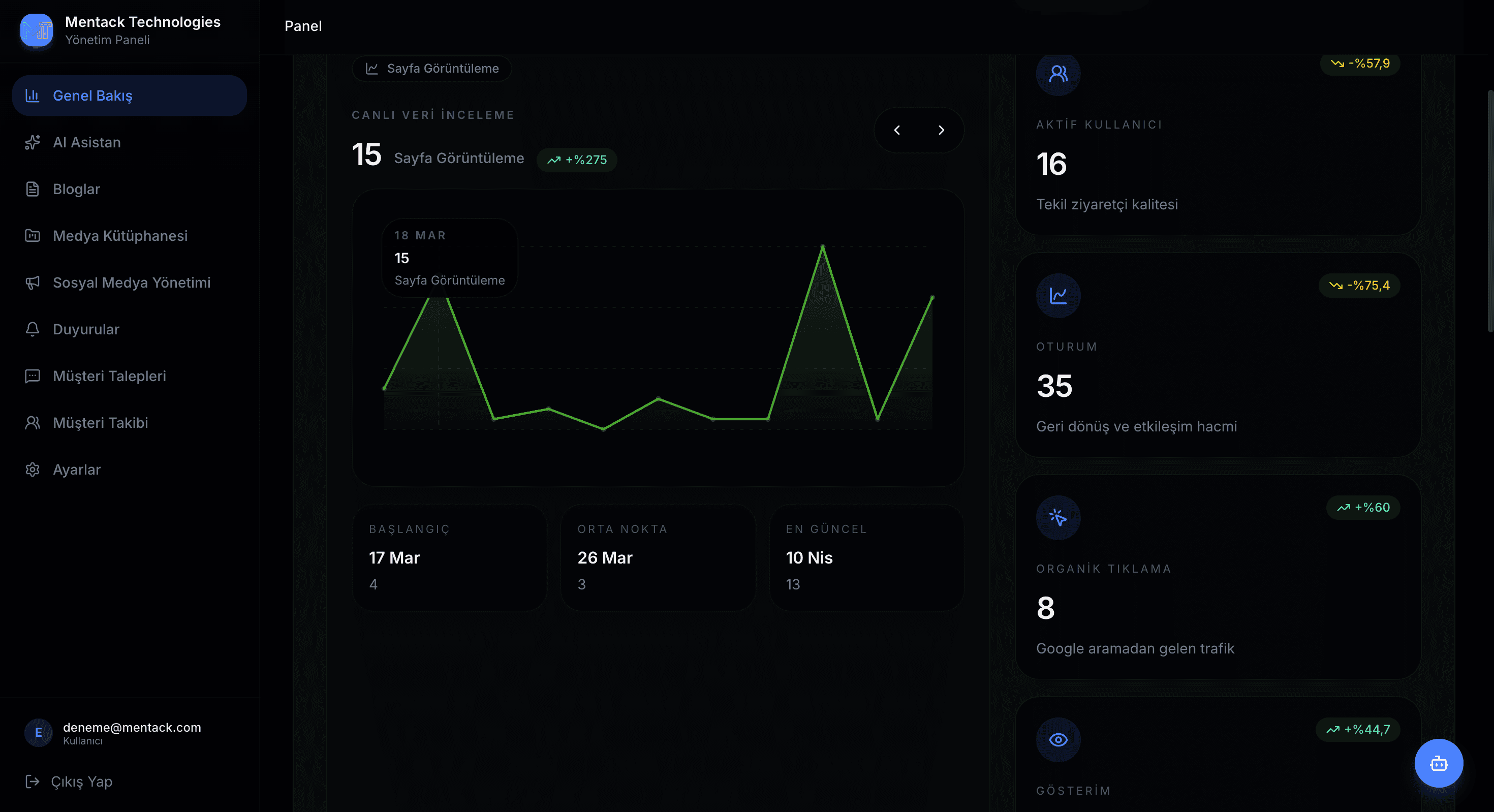
Many businesses, especially SMEs, find themselves juggling a collection of digital tools for their operations – a website here, an Excel sheet there, WhatsApp for communication, and various standalone software for specific tasks. While each tool serves a purpose, this fragmented approach often leads to inefficiencies, missed opportunities, and a lack of clear operational oversight. This article explores why an integrated digital ecosystem is not just a luxury, but a necessity for sustainable growth and efficiency.
Why Does It Matter?
The hidden costs of disconnected digital tools can significantly impact your business. When your website, customer data, inventory, sales, and communication channels operate in silos, you face several critical challenges:
- Manual Data Entry & Errors: Information must often be manually transferred between systems, leading to time-consuming tasks and a higher risk of human error.
- Lack of Real-time Visibility: You can't get a holistic view of your business performance. Critical data is scattered, making it difficult to understand trends, identify bottlenecks, or react quickly to market changes.
- Slow Decision-Making: Without centralized, real-time data, making informed decisions becomes a guessing game. Opportunities can be missed while you consolidate reports or cross-reference disparate information.
- Wasted Resources: Your team spends valuable time on administrative tasks rather than focusing on strategic initiatives that drive growth.
- Inconsistent Customer Experience: Fragmented data can lead to inconsistent interactions, as different departments may have incomplete views of a customer's history or needs.
Key Points
A unified digital system addresses these challenges by bringing all essential business functions under a single, cohesive framework. This approach offers significant advantages:
-
Streamlined Operations
An integrated system combines your website, management panel, e-commerce infrastructure, automation, and AI assistant solutions into a single operational workflow. This eliminates the need to switch between multiple applications, simplifying daily tasks and reducing operational friction.
-
Enhanced Data Visibility
When all your data resides within a single, interconnected system, it becomes visible and actionable. You gain comprehensive dashboards and reporting capabilities that offer a 360-degree view of your sales, inventory, customer interactions, and overall business health.
-
Faster Decision-Making
With readily available, real-time data and AI-powered insights, your team can make faster, more informed decisions. This agility allows you to respond to market changes, optimize processes, and capitalize on new opportunities with confidence.
-
Reduced Manual Work & Errors
Automation plays a crucial role in a unified system. Repetitive tasks, data transfers, and reporting can be automated, freeing up your team from mundane work and drastically reducing the potential for human error.
-
Scalability for Growth
A well-designed integrated system provides a robust foundation for future growth. As your business expands, the system can be adapted and scaled to accommodate new products, services, customers, and operational complexities without requiring a complete overhaul.
Implementation Recommendations for Businesses
If your business is currently struggling with disconnected digital tools, consider these steps to move towards a more unified system:
- Audit Your Current Workflow: Document all the digital tools you currently use, what they do, and how information flows (or fails to flow) between them. Identify key pain points and areas of fragmentation.
- Define Your Core Needs: What are the most critical functions your business needs to manage? (e.g., website presence, sales, customer management, inventory, reporting, team communication).
- Prioritize Integration: Determine which systems are most crucial to connect first. Look for areas where manual data transfer is high or visibility is lacking.
- Seek a Long-term Partner: Instead of patching together individual solutions, look for a technology partner that can design and implement a comprehensive, integrated system tailored to your specific operational workflow.
How Can Mentack Technology Help at This Point?
Mentack Technology specializes in transforming fragmented digital processes into simple, measurable, and AI-supported operating systems. We don't just build websites; we design integrated solutions that combine your website, custom management panel, e-commerce infrastructure, automation, reporting, and AI assistant solutions within a single operational framework. By analyzing your existing workflow, we can help you determine the right digital system to reduce manual work, make data visible, and empower your team to make faster, data-driven decisions.
Request a Free Demo and Analysis
Discover how a unified digital system can transform your business operations. Request a free demo and analysis from Mentack Technology to explore the most suitable digitalization roadmap for your business.